Healing Brushstrokes of India: Unlocking the Therapeutic Power of Art for Mental Wellbeing
TL;DR
Art therapy offers a holistic, non-invasive approach to combat the rising mental health issues in India. Painting, drawing, and similar creative activities are used to help individuals express emotions in a non-verbal manner. Children, adults, and seniors can all benefit from art therapy, regardless of prior skill or exposure. Art therapy provides a non-judgemental space to foster emotional regulation, stress relief and personal growth. Art therapy offers an innovative, accessible path to wellbeing in India.
In a country where mental health issues are becoming more and more common, it is important to explore novel and practical ways to tackle these concerns. One such strategy is art therapy, which is becoming more and more popular in India as a comprehensive, holistic and non-invasive way to support mental health.
In this blog, we learn what art therapy is all about, its benefits, and how art from India can be a valuable tool for individuals seeking to improve their mental health.
Mental Health Issues in India: A Growing Concern
According to the World Health Organization (WHO), one in four Indians may suffer from a mental illness at some point in their lives, making mental health concerns a major worry in the country.
Our nation is confronted with a variety of mental health issues, such as substance abuse, post-traumatic stress disorder (PTSD), depression, and anxiety. An individual’s relationships, general welfare, and quality of life may all be significantly impacted by these problems.
The Power of Art Therapy
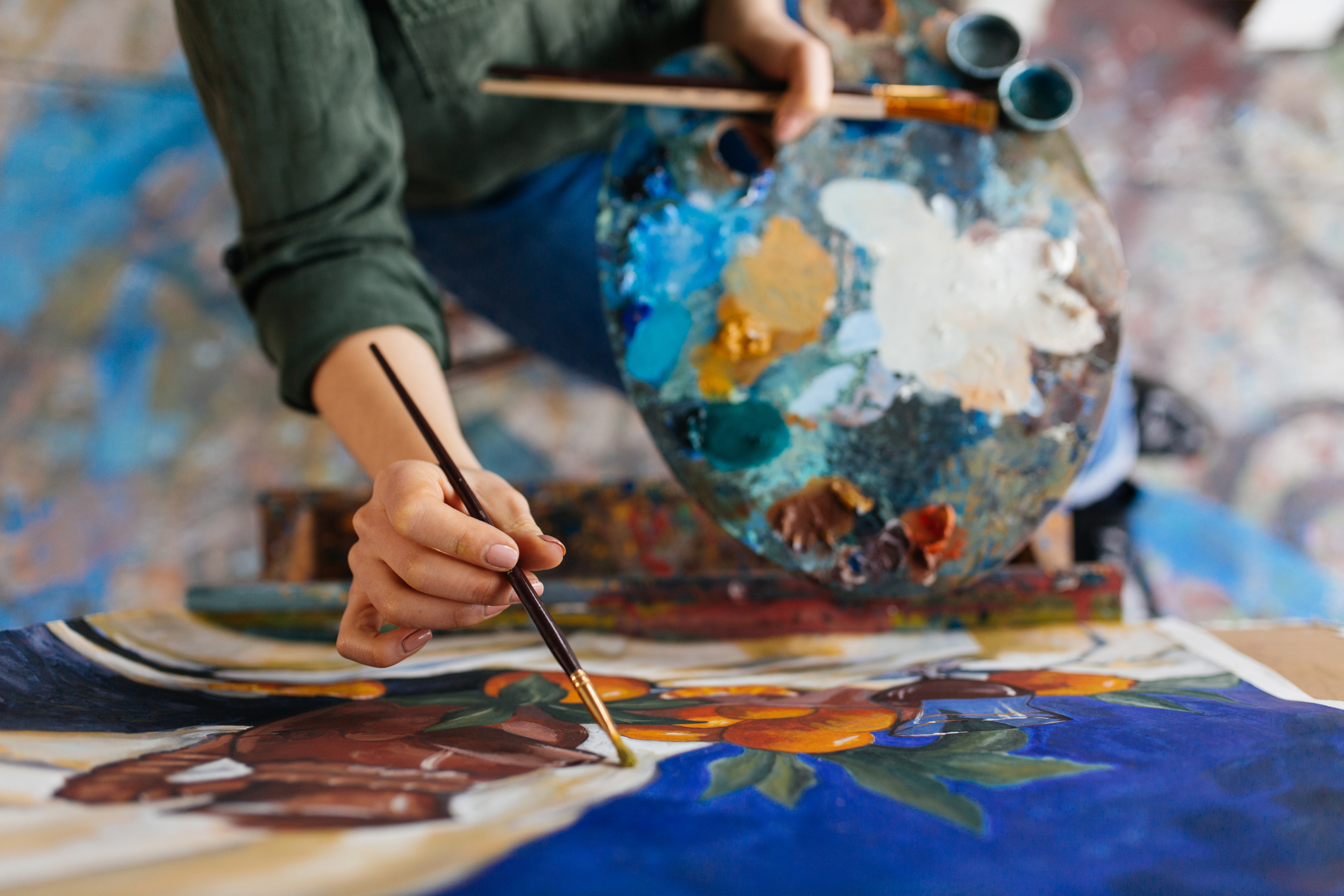
Drawing, painting, and sculpting are examples of a few creative modalities explored in art therapy, a type of psychotherapy that encourages emotional expression, healing, and personal development.
In contrast to conventional talk therapy, art therapy doesn’t only rely on spoken words. Rather, it uses the therapeutic power of contemporary Indian art making to assist people in managing and processing their experiences, feelings, and thoughts.
How Art Therapy Works
The foundation of art therapy is based on the idea that self-expression and healing can be greatly facilitated by the creative process. A personalised form of Indian abstract art that allows people to access their feelings, ideas, and experiences in a nonverbal and nonjudgmental manner through creative, artistic activities. This can be especially helpful for people who have trouble expressing themselves verbally or who have trouble articulating their emotions.
Benefits of Art Therapy
- Sensory Engagement: Creating art requires using sight, touch, and movement, among other senses. People may experience a relaxing and grounding effect from this sensory activity, which makes them feel more focused and in control.
- Non-Verbal Expression: Art therapy offers a way for people to communicate their thoughts and feelings without using words. This modern indian art can be especially beneficial for people who have trouble expressing themselves verbally or who find it difficult to put their feelings into words.
- Non-Judgmental Space: Art therapy sessions are meant to be encouraging and non-judgmental, offering a secure environment where people may express themselves without worrying about being judged or criticised.
Who Can Benefit from Art Therapy
Many people have a tendency to resist art as they feel they are not creative or that they are not artistic enough. To engage in art therapy or partake in artistic endeavours to enhance mental well-being, one need not be an artist. Remember that the goal here is to use art as a vehicle for self-expression and self-awareness, and not to create stellar artistic masterpieces of Indian paintings. As such, there are no age or demographic restrictions on art therapy. It offers a range of benefits to anyone seeking to improve their mental health or cope with a range of emotional and psychological challenges.
The following are some important populations that art therapy may help:
- Children and Adolescents: Children and adolescents who may have difficulty with emotional regulation, social skills, or academic achievement may find art therapy to be especially beneficial. Adolescents who have a tendency for self-harm can also benefit from art therapy.
- Adults: Those looking to handle stress, anxiety, sadness, or disorders associated with trauma, like Post Traumatic Stress Disorder (PTSD), may find art therapy helpful.
- Seniors: Whether a senior needs to manage chronic pain, maintain cognitive function, or deal with age-related mental health difficulties, art therapy can be a useful tool.
Art therapy is an effective strategy for improving mental health and treating a variety of mental health conditions. By providing a non-verbal and non-judgmental means of expression, art therapy can help individuals to process and manage their emotions, thoughts, and experiences in a holistic and effective way.
As India continues to grapple with the growing challenge of mental health issues, it is essential to explore innovative and effective approaches like art therapy and work towards creating more supportive, inclusive environments for people looking to improve their mental health and wellbeing.