The Intricacies of Kalamkari: Bringing Stories Alive on Fabric
Kalamkari is a visual language, not simply textile art. Stories that have travelled through centuries are immortalised through a language of lines, motifs, and colour working in perfect harmony. This hand-painted traditional Indian art form, rooted in tradition and moulded by discipline, quietly transforms fabric into an epic, rich folklore and devotion, making it one of India’s most narrative-rich textile lineages.
Art Born from Storytelling
Kalamkari is derived from kalam (pen) and kari (craft), highlighting the method of creation. Traditionally, tales of Ramayana, Mahabharata, and Puranas would be drawn on fabric by master artists. Imagine these paintings as a scroll, where large fabric panels brought epic tales to life, with scenes unfolding from one section to another.
The storytelling element of this traditional Indian artwork has been influenced by two prominent art styles:
- The Srikalahasti style is all about freehand drawing. A bamboo pen dipped in natural dyes is used by skilled artists to carefully outline figures. Deeply narrative, this style usually features deities, cosmic scenes, and moral tales in a structured sequence.
- The Machilipatnam style makes use of hand-carved wooden blocks that create repeating patterns, which are inspired by nature, mythology, and Persian design influences.
How Stories Come Alive on Fabric
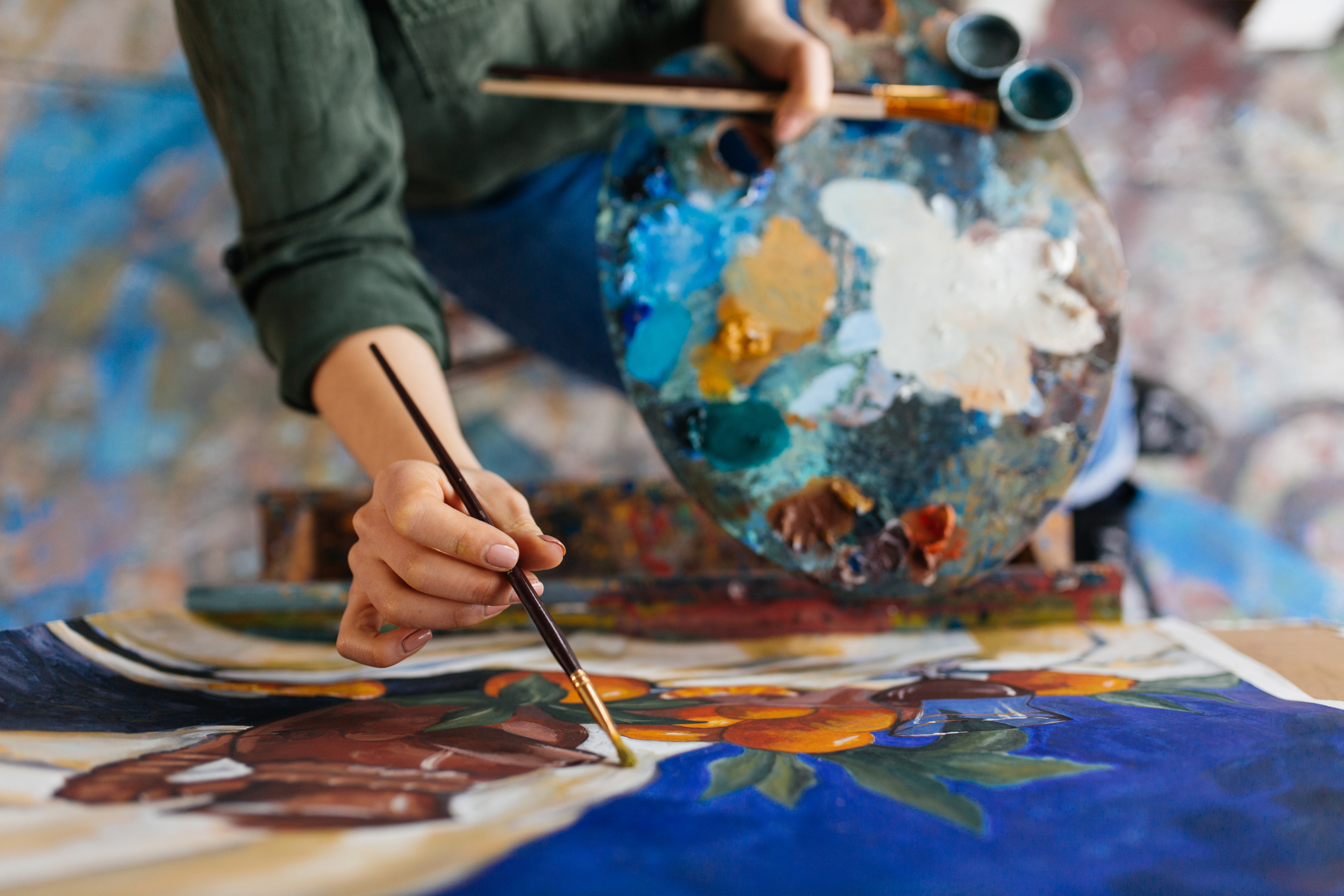
Kalamkari storytelling is a labour of love. The cotton fabric is first prepared by the artists, washed multiple times to soften it, and is treated with natural mordants to prepare for the dyes. Drawing is after this step, with outlines drawn carefully and a painstaking application of pigment. Each shade is applied only after the previous one has set on the fabric.
The most unique aspect of Kalamkari is its attention to narrative order. Placement of figures is deliberate: gods are often depicted larger than humans, the most prominent space is given to central characters, and visual pauses between scenes are depicted through borders. Storytelling on Kalamkari fabric is also directed by the direction of a gaze or the simple curve of a hand.
The Beauty of Small Details
Timeless and vivid, the appeal of Kalamkari is in the fine detailing that brings stories to life. Facial expression, jewellery design, folds in garments, and decorative borders are all detailed with exceptional care. Empty spaces are filled with tiny floral motifs, which allows the fabric to feel complete but not overcrowded.
Colours are also integral to the storytelling here. Natural sources like roots, minerals, and iron solutions are used to derive earthy reds, deep indigos, mustard yellows, and soft blacks. The colours never overpower the narrative, but ground the whole visual, which gives the overall artwork a calm, balanced rhythm.
Details, Patterns, and Meaning
Like a lot of traditional Indian art, Kalamkari artwork is deeply symbolic, not merely decorative. Borders, for example, may act as a frame, could serve as a visual guide for the viewer’s eye, and are often painted with symbolic patterns like creepers, lotuses, or geometric patterns. Natural elements like trees, animals, and rivers are common motifs that appear, not as background elements, but participants in the narrative, highlighting the interconnectedness of Indian storytelling.
A Living Art Form
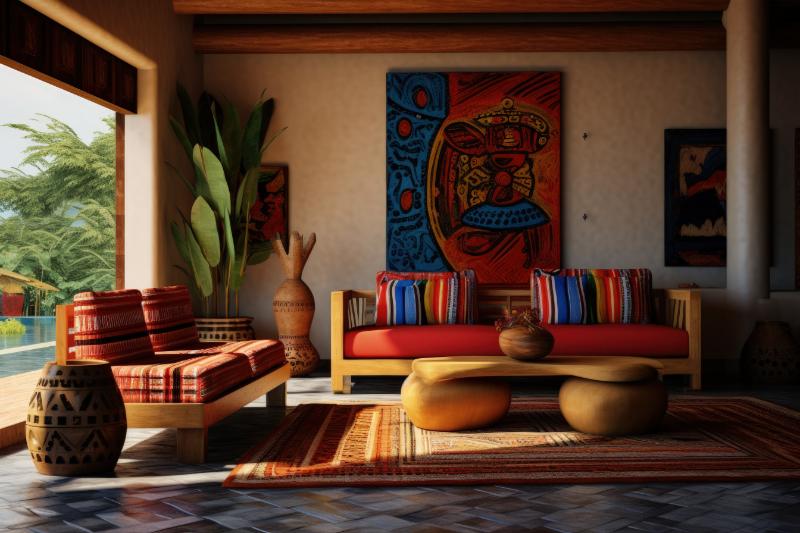
Kalamkari continues to evolve today. The themes may still be rooted in mythology and folklore, but artists are now playing around with scale, layout, and application. From classic fabric scrolls, this traditional Indian art form is now moving to wall panels, furniture, and contemporary spaces. The essence still remains the same: every piece pays homage to an epic, created patiently with detail and discipline.
Traditional Indian art styles like Kalamkari are excellent reminders that you don’t always need words to tell a story well. Sometimes, it comes alive through lines, pigments, and fabric; waiting to be experienced slowly, one detail at a time. At Studio 3 Mumbai, our eclectic collection features different styles of traditional Indian art to add a whole new dimension to your living spaces.