From Scroll to Studio Wall: The Modern Journey of Pattachitra
An ancient scroll painting tradition of Odisha and West Bengal, Pattachitra art is popular as a visual blend of mythology, devotion and folktales. Originating from Puri, this intricate art form was mainly confined to temple rituals and rural storytelling formats. In recent years, this Pattachitra artwork has undergone a quiet transformation, one brushstroke at a time.
The Origins of a Divine Craft
Pattachitra is derived from Hindi words patta (cloth) and chitra (picture), literally referring to the “picture on cloth” technique used to create this traditional Indian artwork. Traditionally, chitrakars (artists) would create these paintings to immortalise stories of Hindu mythology. Stories of Lord Jagannath, Krishna, and Vishnu are commonly explored with this art form. As a devotional style of art, these paintings are synonymous with temple worship, especially during rituals like Rath Yatra and Nava Kalevara, where the deities are ceremonially repainted.
From Temple to Modern Canvas
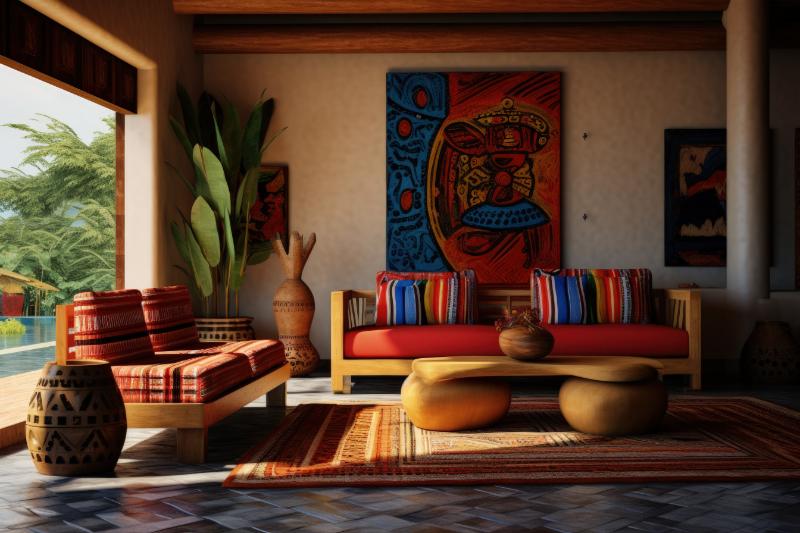
Like all art forms, Pattachitra too has gone through minor changes. The stories have remained the same, only the canvas has changed. From being restricted to temple walls and scrolls, Pattachitra art now finds expression in homes, studios, galleries, and digital spaces. Circular borders and mythological stories are still the cornerstones of the art form but the expression has changed. Artists are now infusing Pattachitra art into fashion, furniture, wall murals, and custom collectibles.
Today, Pattachitra-inspired motifs can be seen on silk sarees, tote bags, or even laptop sleeves. This modern evolution does not dilute the form, in fact, it makes experiencing the legacy of this ancient artform accessible in unexpected ways. Modern expressions like these make it easier for newer generations across the globe to understand and appreciate traditional Indian art.
Techniques That Are Time-Tested
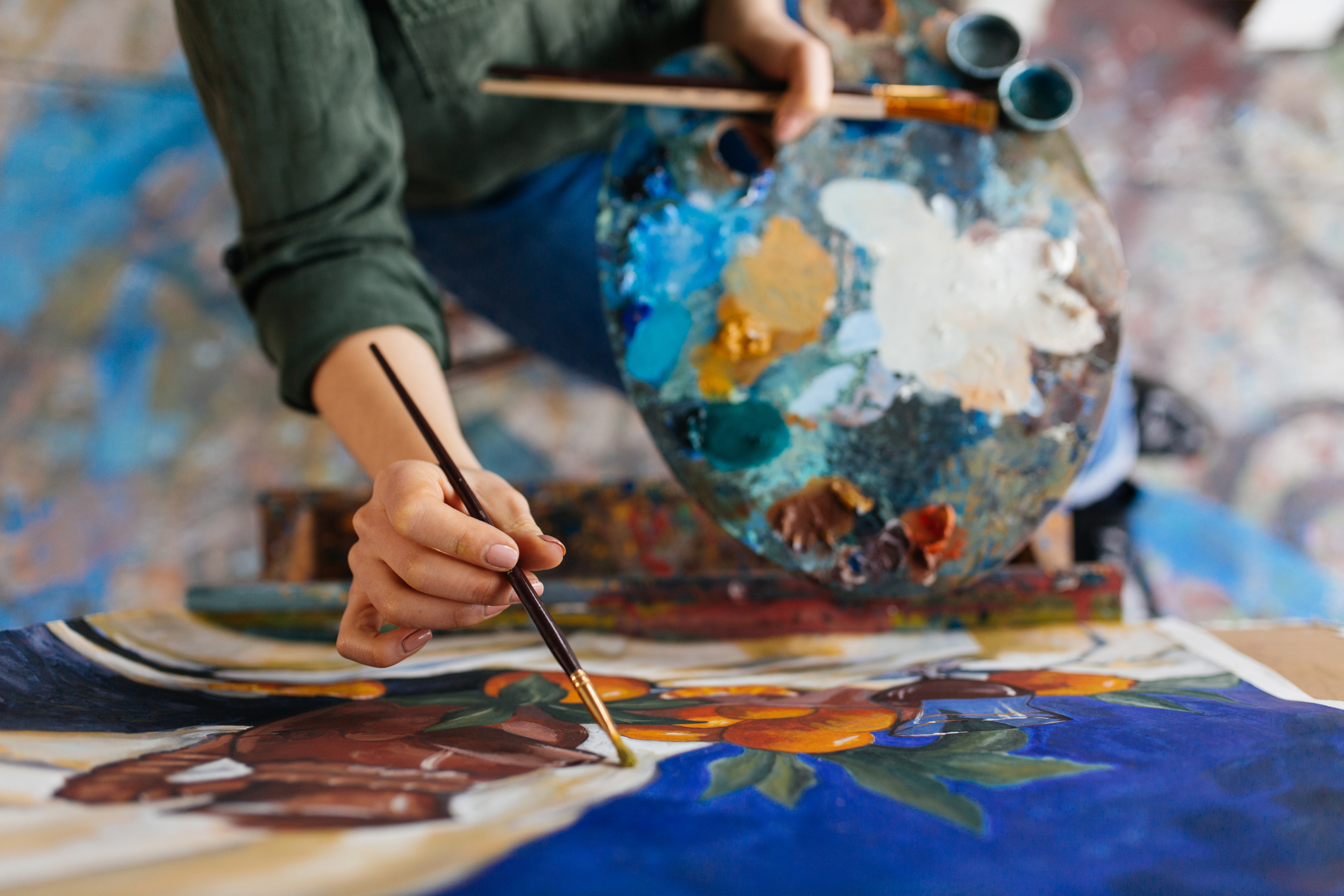
Despite its evolution, the traditional techniques still remain painstakingly detailed. Even today, artists prepare their canvas by treating cotton cloth with tamarind seed paste and chalk. Conch shells, minerals, and vegetable dyes are hand-ground and mixed with gum to create natural pigments. These materials are extremely long-lasting and aid the precision and permanence that Pattachitra paintings are known for.
Pattachitra art is all freehand. Each line is drawn with disciplined focus, no pencil markings. Simply creating magic with memory and muscle.
An All New Patronage
One of the main reasons for this quiet transformation of Pattachitra is urban buyers. Conscious consumerism and contemporary art movements have given rise to customers and art enthusiasts who value authenticity, sustainability, and storytelling in their space.
It is now becoming increasingly common for design studios and art curators to actively collaborate with chitrakars as both artists and modern artists. Online platforms have also begun commissioning direct-from-artist pieces, giving the chitrakars a wider global audience as more people buy art online.
Art Rooted In Prayer
At its very core, Pattachitra remains a devotional practice. In its modern avatar too, it is rich with the essence of sacred storytelling, folklore immortalised with brush and cloth. Whether it is displayed above a temple altar or atop a minimalist bookshelf in an urban apartment, the essence is still the same. An invitation to pause, reflect, and wonder.
To bring home a piece of art wrapped in culture and devotion, browse through the extensive collection at Studio3 here