Colour Psychology in Indian Folk Art: A Journey Through Culture & Traditions
Colour is more than a pigment when it comes to Indian folk art. Colour here denotes stories, emotions, and cultural values. Each art form has its own distinct colour palette that evokes specific feelings and narrates tales deeply rooted in tradition. In this blog, we explore how colour functions in prominent Indian folk art traditions.
Vibrant Gond Art
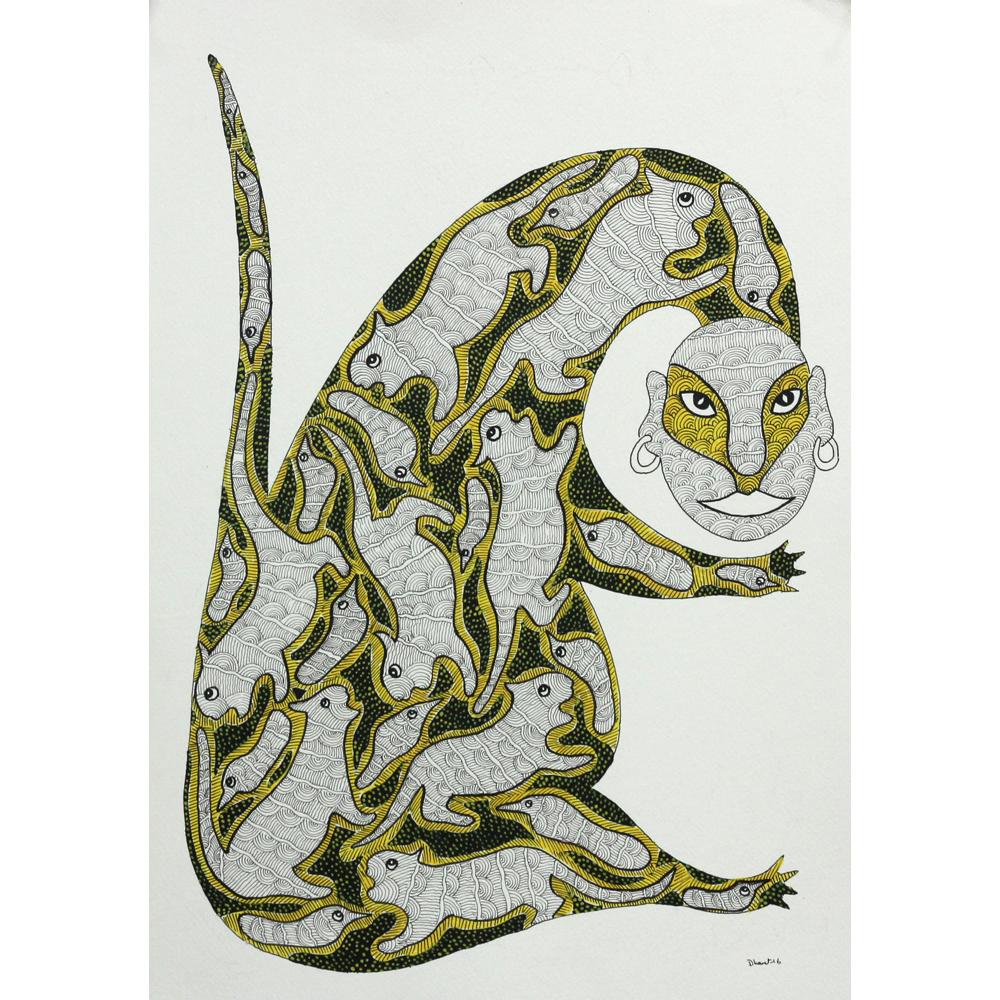
Gond art, originating from the Gond tribe of Madhya Pradesh, makes use of vibrant colors sourced from natural materials like hibiscus flowers, turmeric, and indigo. Red denotes energy and passion, yellow signals happiness and positivity, while blue signifies calmness and tranquility. These colors add a whole lot of energy and life to the artwork, highlighting the community’s deep connection to nature and their unique cultural expressions.
Earthy and Expressive Bhil Art
Practiced by the Bhil tribe, Bhil art is known for its bold, earthy tones like ochre, red, and black. These colors, when used together, make a striking contrast, and are extremely eye-catching, besides reflecting the tribe’s close relationship with their surroundings and nature. These intricate designs and vibrant shades convey a sense of energy and vitality, mirroring the dynamic aspects of tribal life.
Simplicity and Spirituality of Warli Art
Known for their minimalism, Warli paintings from Maharashtra mainly feature white on a red ochre or brown background. White denotes purity and peace, while the earthy tones signify the deep connection to the land and ancestors. This simplicity makes the intricate geometric patterns to stand out, as tales of daily life, rituals, and the harmony between humans and nature are brought to life in simple designs.
The Mythology of Color with Pattachitra Art
Originating in Odisha and West Bengal, Pattachitra art uses a rich palette to bring mythological stories to life. Red signifies love, passion, and energy; black symbolizes mystery and depth; and yellow represents knowledge and sanctity. These colours are not just decorative, but carry deep spiritual and symbolic meanings that enhance the storytelling element of each artwork created by the master artists.
Nature and Divinity with Kalamkari
A traditional Indian art form from Andhra Pradesh and Telangana, Kalamkari uses natural dyes to create intricate designs on fabric. Indigo represents spirituality, red denotes valor, black offers protection, and yellow signals divinity. These earthy tones are used to bring scenes from Hindu mythology to life, further highlighting the spiritual and natural themes central to the art form
In all the above traditional Indian art forms, color is a powerful medium that goes far beyond mere aesthetics. It is a medium to express emotions, narrate stories, and preserve cultural heritage for future generations. Whether it’s the vibrant colours of Gond and Bhil art, the minimalist style of Warli, the symbolic palette of Pattachitra, or the earthy shades of Kalamkari, each color choice is painstakingly deliberate and meaningful. When we understand these color psychologies, it enhances our appreciation for these art forms and the rich traditions they represent.